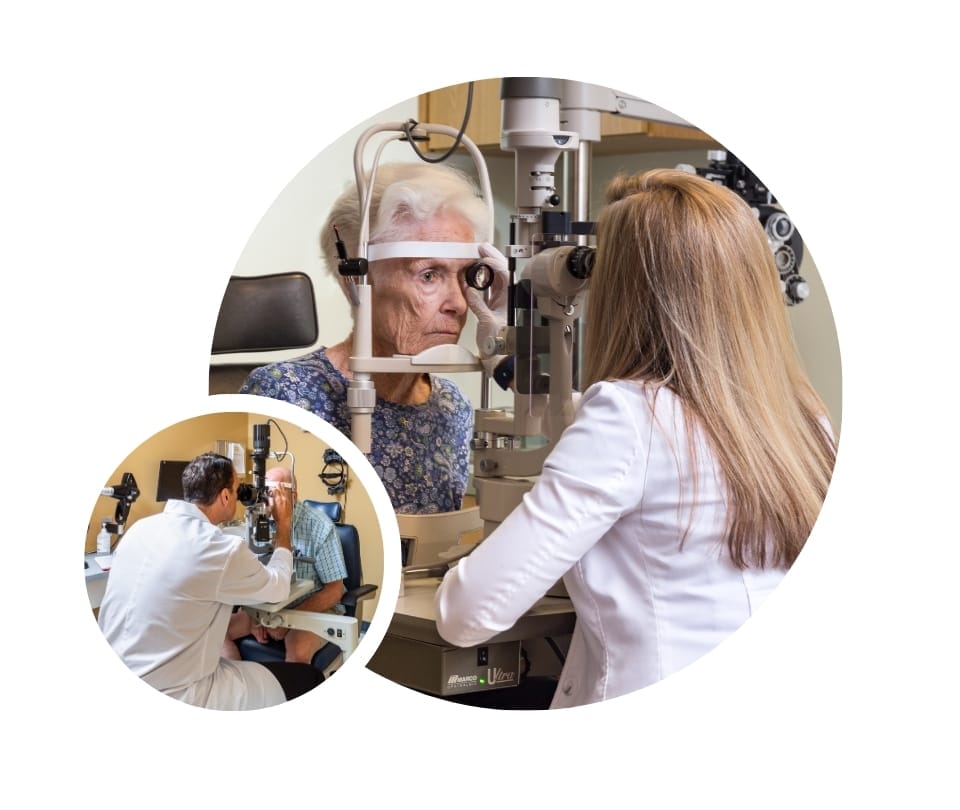
Pink Eye? Here’s When to See an Eye Doctor

Understanding Pink Eye

Pink eye occurs when the thin tissue covering the white part of the eye becomes inflamed. Understanding the different causes helps determine the right treatment for each case.

Pink eye is inflammation of the conjunctiva, the thin membrane covering the white part of the eye and the inside of the eyelids. This inflammation causes blood vessels to expand, resulting in redness or a pinkish color. Pink eye can affect one or both eyes and may be contagious depending on its cause.

Viral pink eye is commonly caused by viruses like adenovirus or the common cold virus. This type is highly contagious and often accompanies respiratory symptoms.

  • Produces watery discharge and causes a gritty or burning sensation.
  • Typically starts in one eye and can spread to the other.
  • Usually lasts 1–3 weeks with no specific treatment.
  • Often linked to cold or flu-like symptoms.

Bacterial pink eye is caused by bacteria such as Staphylococcus or Streptococcus. This type leads to thick, pus-like discharge and improves quickly with antibiotic treatment.

  • Characterized by thick yellow or green discharge that crusts overnight.
  • Eyelids may stick together, especially after sleep.
  • Redness and swelling are more pronounced than viral pink eye.
  • Can affect one or both eyes.

Allergic conjunctivitis occurs when the immune system reacts to allergens like pollen, dust, or pet dander. It usually affects both eyes and is often seasonal.

  • Characterized by intense itching and clear, watery discharge.
  • Both eyes are typically affected with puffy eyelids.
  • Frequently occurs with sneezing or a runny nose.
  • Not contagious and symptoms improve with allergy treatments.

Improper use of contact lenses, such as wearing them too long or using incompatible solutions, can cause eye irritation or infections leading to conjunctivitis.

  • Discomfort when wearing lenses, often relieved by removal.
  • Increased risk of developing serious corneal infections.
  • Requires immediate evaluation and discontinuation of lens wear.

Exposure to chemicals, smoke, or other irritants can result in pink eye. Prompt treatment is critical to avoid long-term eye damage.

  • Causes immediate burning and excessive tearing.
  • Requires irrigation with clean water for 20–30 minutes.
  • Not contagious but urgent medical care is necessary.

Recognizing Symptoms and Warning Signs

Recognizing Symptoms and Warning Signs

Pink eye symptoms vary depending on the cause. Recognizing these symptoms early helps determine when professional care is needed and can prevent complications.

In most cases, pink eye symptoms start gradually, often beginning in one eye before spreading to the other.

  • Redness in the white part of the eye.
  • A gritty feeling like sand in the eye.
  • Excessive tearing or watery discharge.
  • Mild swelling of the eyelids.
  • Crusty buildup on the eyelids in the morning.

Seek immediate medical attention if you experience any of these symptoms, as they could indicate a more severe underlying issue.

  • Severe eye pain exceeding normal irritation.
  • Sudden changes in vision or persistent blurry vision.
  • Extreme sensitivity to light causing discomfort.
  • Fever alongside severe eye symptoms.
  • Eye injury followed by pink eye symptoms.

If you notice any of these symptoms, contact an eye doctor for evaluation within 24 hours.

  • Heavy yellow or green discharge causing eyelids to stick together.
  • Worsening symptoms after several days.
  • Contact lens wearers experiencing eye redness or discomfort.
  • Noticeable changes in vision related to pink eye symptoms.

Certain groups, such as newborns, young children, and those with weakened immune systems, may face greater risks from pink eye and require immediate care.

  • Newborns with eye discharge need urgent evaluation.
  • Young children who cannot practice good hygiene.
  • People with weakened immune systems from illness or medication.
  • Patients who have recently undergone eye surgery.

When to Seek Professional Care

When to Seek Professional Care

Knowing when to seek professional care for pink eye is crucial for ensuring comfort, preventing infection spread, and preserving vision.

If you experience any of these symptoms, seek emergency care immediately as they may indicate severe conditions beyond simple pink eye.

  • Chemical exposure requiring irrigation with clean water.
  • Severe eye pain combined with nausea or vomiting.
  • Sudden vision loss or significant changes in vision.
  • Severe eye injury.
  • Newborn conjunctivitis in babies under one month old.

Contact an ophthalmologist within 24 hours if you experience these symptoms.

  • Contact lens wearers with red, painful, or light-sensitive eyes.
  • Heavy pus discharge or worsening symptoms.
  • Red eyes combined with decreased vision.
  • Individuals with compromised immune systems.
  • Suspected herpes eye infection with visible vesicles on the eyelids.

If your symptoms are mild but persistent, schedule a follow-up appointment within a few days.

  • Minor redness or irritation without significant vision changes.
  • Allergy symptoms that do not improve with over-the-counter treatments.
  • Frequent episodes of pink eye.
  • Symptoms lasting more than two weeks.

If symptoms do not improve as expected or if new issues arise, it may be time to consult a healthcare professional.

  • No improvement after 3–5 days of home treatment.
  • Worsening redness, pain, or discharge.
  • Symptoms spreading to others despite precautions.
  • New symptoms emerging during recovery.

Treatment Options

Treatment for pink eye depends on its cause and severity. Our ophthalmologists will evaluate your condition and create a personalized treatment plan.

Most viral cases resolve without specific medical treatment, with care focused on alleviating symptoms and preventing infection spread.

  • Cool compresses to reduce swelling and discomfort.
  • Artificial tears to keep the eyes moist and remove irritants.
  • Proper hygiene to avoid spreading the infection.
  • Antiviral eye drops for herpes simplex virus cases.

Bacterial pink eye is often treated with antibiotics, which help reduce infection spread and speed up recovery.

  • Prescription antibiotic eye drops or ointments for 5–7 days.
  • Warm compresses to loosen crusty discharge.
  • Complete the full course of antibiotics even if symptoms improve.
  • Most patients see improvement within 2–3 days.

Treatment for allergic pink eye focuses on avoiding triggers and managing the immune system response causing symptoms.

  • Antihistamine eye drops or oral allergy medications.
  • Cool compresses and preservative-free artificial tears.
  • Avoid allergens when possible.
  • Prescription steroid drops under doctor supervision for severe cases.

If you experience pink eye symptoms while wearing contact lenses, remove them immediately to avoid complications like corneal infections.

  • Remove contacts immediately and discard the current pair.
  • Undergo a comprehensive eye exam to check for corneal damage.
  • Treatment for underlying infection or irritation.
  • Antibiotic treatment may be necessary if infection is present.

If you have been exposed to chemicals or irritants, immediate action is needed to prevent permanent eye damage.

  • Immediate irrigation with clean water for 20–30 minutes.
  • Emergency evaluation for chemical burns after flushing.
  • Lubricating drops and avoidance of further irritants.
  • Follow-up care to monitor for potential complications.

Prevention and Daily Care

Prevention and Daily Care

Good hygiene habits can significantly reduce the risk of developing pink eye and help prevent its spread to others.

Regular hand washing and avoiding eye contact are crucial in preventing pink eye and other infections.

  • Wash your hands frequently with soap and water for at least 20 seconds.
  • Use alcohol-based hand sanitizer when soap is unavailable.
  • Avoid touching your face and eyes.
  • Use tissues instead of your hands when your eyes feel itchy.

Sharing items that come into contact with your eyes or face increases the likelihood of contracting or spreading pink eye.

  • Use separate towels, washcloths, and pillowcases.
  • Never share eye makeup, brushes, or applicators.
  • Keep your own eye drops and never share them.
  • Replace eye makeup immediately after any eye infection.

Proper lens care is essential to avoid irritation and infection. Poor hygiene is a common cause of serious eye issues.

  • Always wash your hands before handling lenses.
  • Clean lenses with fresh solution each time you remove them.
  • Replace lens cases every three months.
  • Never sleep in lenses unless approved by your doctor.
  • Never use tap water, saliva, or expired solutions on lenses.

Proper allergy management can help reduce the risk of allergic pink eye and relieve symptoms.

  • Keep windows closed during high pollen days.
  • Use air conditioning with clean filters.
  • Wash bedding weekly in hot water to remove allergens.
  • Consider allergy medications during peak allergy seasons.

Extra care in schools and workplaces can help prevent widespread pink eye outbreaks.

  • Stay home if you have contagious pink eye symptoms.
  • Clean shared surfaces like keyboards and phones regularly.
  • Teach children proper sneeze and cough etiquette.
  • Follow school or workplace pink eye policies.

Possible Complications

Possible Complications

Though most pink eye cases resolve without complications, some can lead to serious conditions that affect vision. Early treatment is key to avoiding these issues.

Corneal infections or damage can result in permanent vision loss if not treated promptly.

  • Corneal ulcers cause intense pain, light sensitivity, and blurry vision.
  • More common with contact lens use or severe infections.
  • May result in permanent scarring that impairs vision.
  • Requires immediate medical treatment to avoid long-term damage.

Bacterial infections can spread to surrounding tissues, causing more severe conditions.

  • Eyelid cellulitis causes swelling and fever.
  • Orbital cellulitis affects deeper tissues and restricts eye movement.
  • Requires intravenous antibiotics and hospitalization.
  • More common in children and those with sinus infections.

Repeated or improperly treated pink eye can result in chronic eye conditions that affect daily life.

  • Chronic dry eyes requiring long-term care.
  • Inflammation of the eyelids causing recurring symptoms.
  • Vision changes requiring corrective lenses.
  • Increased sensitivity to allergens and irritants.

Conditions resembling pink eye may indicate more serious health issues that can threaten vision. Prompt treatment is essential to prevent permanent damage.

  • Acute angle-closure glaucoma leads to intense pain and nausea.
  • Uveitis causes deep eye pain and extreme light sensitivity.
  • Both conditions require emergency care to prevent blindness.
  • Proper diagnosis by an ophthalmologist is critical.

Special Situations

Special Situations

Certain groups, including newborns, pregnant women, and those with compromised immune systems, require special consideration when dealing with pink eye.

Pink eye in newborns requires immediate attention to prevent permanent damage to vision or potentially severe infections.

  • Any discharge or redness in a newborn's eyes requires urgent evaluation.
  • Transmission may occur during birth from mother to child.
  • Prompt treatment is essential to prevent blindness.
  • Requires specialized pediatric care.

When pregnant or breastfeeding, treatment options may need to be adjusted. Always consult with a healthcare provider before starting any medications.

  • Some eye medications may not be safe during pregnancy.
  • Non-medication treatments are preferred when possible.
  • Always inform your doctor if you are pregnant or breastfeeding.
  • Most treatments can be modified safely with medical supervision.

People with weakened immune systems are more vulnerable to complications from pink eye and may require more intensive care.

  • Seek evaluation early to avoid worsening symptoms.
  • May need stronger or longer courses of antibiotics.
  • At higher risk for complications and slower recovery.
  • Notify your doctor immediately if symptoms worsen.

Individuals with existing eye conditions may face challenges when dealing with pink eye and may require specialized care.

  • Conditions like dry eyes or blepharitis can resemble pink eye.
  • Treatment may need to address multiple eye conditions simultaneously.
  • Coordinating care with different specialists may be necessary.
  • Treatment plans may need adjustments based on existing conditions.

Frequently Asked Questions

Frequently Asked Questions

Our patients often ask about the symptoms, treatment options, and when to seek care for pink eye. Here are answers to common questions.

Viral pink eye typically causes watery discharge and is often accompanied by cold-like symptoms. Bacterial pink eye causes thicker discharge with yellow or green pus. Allergic pink eye is associated with intense itching and other allergy symptoms. A doctor can determine the cause through a thorough exam.

No, antibiotics are only necessary for bacterial pink eye. Viral and allergic forms do not benefit from antibiotics. Many mild bacterial cases resolve without treatment, but antibiotics can help prevent spreading and speed recovery.

If your pink eye is contagious, stay home until symptoms improve. People with bacterial pink eye can usually return after 24–48 hours of antibiotics. Allergic pink eye is not contagious, so you can attend work or school unless symptoms are severe.

Remove contact lenses immediately if you have pink eye symptoms. Continuing to wear contacts can worsen the condition and lead to complications such as corneal infections. Discard contaminated lenses and consult your doctor before resuming wear.

Viral pink eye typically lasts one to three weeks and resolves without medication. Bacterial pink eye improves within a few days of antibiotic treatment. Allergic pink eye lasts as long as the allergen is present and can improve with allergy treatment.

Most cases of pink eye do not cause permanent vision damage. However, severe infections, particularly those affecting the cornea, can lead to long-term issues if left untreated. Early intervention helps prevent these complications.

Children with bacterial pink eye can typically return to school after 24–48 hours of antibiotics, provided symptoms are improving. Viral pink eye requires isolation until symptoms have fully resolved.

Recurring pink eye may indicate underlying allergies, insufficient contact lens care, or reinfection. If you experience frequent episodes, consult an eye doctor to identify the cause and develop a treatment plan to prevent future flare-ups.

Preservative-free artificial tears can help alleviate symptoms of most types of pink eye. However, avoid redness-reducing drops, as they can worsen symptoms over time. Always consult with your eye doctor before using any medicated drops.

Discard any eye makeup used during a pink eye infection. This includes mascara, eyeliner, and any applicators, as they may harbor bacteria or viruses. Replace these items after an infection to prevent reinfection.

Expert Eye Care at ReFocus Eye Health Branford

Expert Eye Care at ReFocus Eye Health Branford

At ReFocus Eye Health Branford, our experienced ophthalmologists provide comprehensive care for pink eye and other eye conditions for patients in Branford, East Haven, North Haven, New Haven, and surrounding areas. If you are concerned about pink eye or your symptoms are not improving, trust our specialists for expert diagnosis and treatment to safeguard your vision and overall eye health.

Contact Us

Google review
4.8
(521)

Monday: Array
Tuesday: Array
Wednesday: Array
Thursday: Array
Friday: Array
Saturday: Array
Sunday: Array
Branford
Privacy Overview