Contact Us
Tuesday: Array
Wednesday: Array
Thursday: Array
Friday: Array
Saturday: Array
Sunday: Array
Understanding these vision symptoms helps you know when to get care from our eye doctors.
Floaters are small dark spots, strings, or cobweb shapes that float across your vision. They move when your eyes move and seem to dart away when you try to look at them. These shadows come from clumps of collagen fibers inside the clear jelly that fills your eyeball. You see them best against bright backgrounds like a blue sky or white wall. People with nearsightedness see floaters more often because their longer eyes create more pulling on the eye gel.
Flashes look like brief bursts of light, lightning streaks, or flickering usually in your side vision. They can happen any time of day, though you may notice them more in dim lighting. These light sensations occur when something pulls on your retina, the part of your eye that senses light. Flashes that happen during the day or continue for days or weeks need checking right away. Flashes in one eye, particularly if they are new or persistent, are especially concerning and should be examined immediately.
Many patients see both floaters and flashes at the same time. This often happens when the clear gel inside your eye pulls on the retina. The pulling creates the flash sensation. When pieces of gel break loose, they create the floating shadows you see.
The most common cause is aging of the clear gel that fills your eyeball. As we age, this gel shrinks and becomes more watery. This creates clumps that make shadows on your retina, causing floaters you can see. This process is called posterior vitreous detachment and happens to most people as they get older. Many people may have PVD without noticing symptoms.
Most floaters and flashes are harmless, but some symptoms need same-day care from our eye doctors.
Get care right away if any of these warning signs happen:
Also get urgent care if you have eye pain, redness, or severe headaches with your vision symptoms. This may mean swelling or other serious problems that need quick attention. Any combination of these symptoms with new floaters or flashes is especially concerning.
New floaters or flashes after any eye injury need a checkup right away. People who had recent eye surgery should also report any new vision symptoms immediately. Even small injuries can cause retinal problems that need fast treatment to prevent permanent vision loss.
When the eye gel pulls away, it can sometimes pull hard enough to tear the retina. Tears can let fluid leak under the retina and cause it to separate from the back of your eye. Quick laser treatment or surgery can stop serious vision problems and save your sight.
Most flashes and floaters have natural causes, but knowing your risk helps catch problems early.
Starting around age 50, the eye gel often begins pulling away from the retina naturally. This change causes both floaters and flashes and continues throughout life. While usually safe, our eye doctors need to check your eyes carefully to rule out tears or other problems.
Some things make you much more likely to get these symptoms:
A retinal tear makes an opening that can let fluid pass underneath and cause detachment. This lifts the retina off the back of the eye. It can cause a curtain over vision, many new floaters, and vision loss. Emergency eye surgery is needed to reattach the retina and protect sight. Most people with new floaters do not get retinal tears, but the risk is real.
Swelling inside the eye can release cells and debris into the eye gel that create more floaters. This may cause light sensitivity, eye pain, or blurry vision. Treatment focuses on reducing the swelling to calm symptoms and prevent further problems.
Bleeding into the clear eye gel can cause a sudden shower of floaters or cloudy vision. This needs a quick checkup to treat the cause and rule out hidden tears or detachment. Bleeding can happen from diabetes, high blood pressure, or injury.
Migraine aura often makes shimmering zigzag lines or blind spots that last 15 to 30 minutes. This usually affects both eyes and can happen with or without headache. Eye flashes from retinal pulling are usually brief light arcs in one eye. Any persistent or frequent flashes, especially in one eye, need checking right away.
Our complete eye exams help find what causes your symptoms and rule out serious problems.
Our eye doctors start by asking detailed questions about your symptoms. We want to know when they started, what they look like, and whether they affect one or both eyes. Your health history, current medicines, and family eye problems also give important clues about your risk.
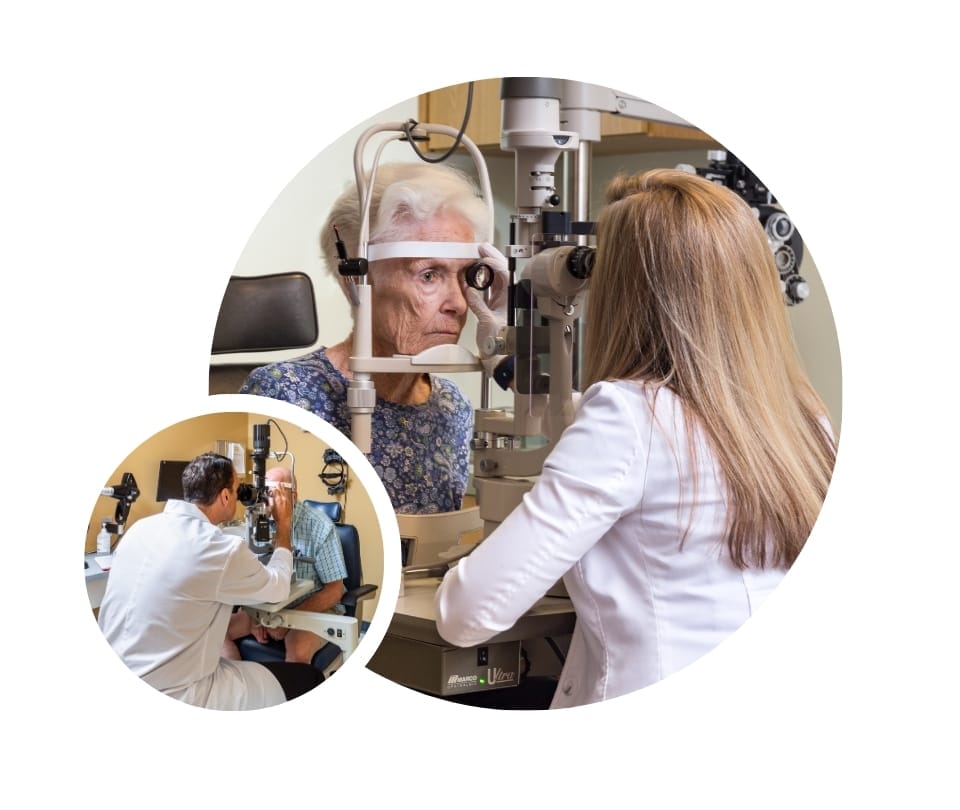
We use special eye drops to make your pupils bigger for a complete retinal exam. This painless process lets us see the entire back of your eye, including areas where retinal tears might happen. The dilation lasts several hours, so bring sunglasses and arrange for someone to drive you home.
Most patients get detailed eye scans called OCT that show the layers of your retina clearly. We may also use special cameras to take pictures of your retina. If bleeding blocks our view inside your eye, we might use ultrasound to check for retinal problems.
Sometimes retinal tears can develop days or weeks after the first visit. We often recommend another dilated exam in about four to six weeks for new eye gel separation. We may need to see you sooner if any new symptoms develop or if you have high risk factors.
Treatment depends on what causes your symptoms, from careful watching to emergency surgery.
Most floaters from normal aging do not need treatment beyond regular eye exams. Over time, your brain learns to ignore many floaters, making them less bothersome. We schedule regular checkups to make sure no new problems develop, especially in the first few months.
If we find a retinal tear, laser treatment in the office can seal it and prevent detachment. This works best when tears are caught early. The laser creates tiny burns around the tear that heal and hold the retina in place.
Surgery to remove the gel and floaters from inside your eye is only used for severe cases where floaters badly hurt vision and daily activities. This major surgery has real risks including cataract, infection, and retinal detachment. Most patients do not need this surgery.
Retinal detachment needs immediate surgery to prevent permanent vision loss. Different surgeries may be used depending on your specific problem. Quick treatment often leads to better results and vision recovery.
Your eye surgeon will choose the best approach for your situation:
Simple steps can reduce bother and support eye health, but any sudden change still needs an urgent exam.
Floaters often bother you less over time as your brain learns to ignore them. Gently moving your eyes up and down may shift a floater out of your main vision temporarily. Good lighting helps reduce how much they show during reading and close work.
These steps may help reduce floater annoyance:
Most daily activities are safe with simple eye gel separation. However, after retinal surgery, you may need to avoid bending, heavy lifting, and air travel for weeks. Follow all specific instructions from your surgeon, including head positioning if a gas bubble was used.
Wear safety eyewear for sports and risky work to prevent eye injuries. Manage diabetes and blood pressure well to reduce bleeding risk. Keep regular eye exams, especially if you are nearsighted or have had eye surgery.
Track any new flashes, more floaters, shadows, or vision loss carefully. Get same-day care if any warning signs appear because early treatment protects sight. Even small changes can be important if you have risk factors.
Plan for pupil dilation during exams, possible imaging tests, and time for detailed discussion about findings and follow-up care.
The first visit focuses on ruling out retinal tears or detachment with a dilated exam. This may include detailed eye scans or ultrasound if bleeding blocks the view. An emergency treatment plan is made immediately if we find any problems.
After new eye gel separation, a follow-up exam is usually scheduled in four to six weeks, or sooner if symptoms change. This timing helps catch any tears that might develop later. High-risk patients may need more frequent checks.
After laser treatment or surgery, you get detailed instructions on eye drops, activity limits, head positioning, and warning signs to watch for. Close follow-up visits ensure proper healing and catch any complications early.
Yes, most floaters come from normal age-related eye gel changes and often become less noticeable over time. However, a sudden shower of many new floaters needs a same-day exam to rule out retinal problems.
Flashes from eye gel separation usually improve over several weeks to months as the pulling settles down. Flashes that continue for weeks, happen in daylight, or get worse should be checked right away.
Usually not. Most people with new floaters do not develop retinal tears or detachment. However, the risk is real enough that new floaters with flashes or vision changes need urgent evaluation to be safe.
Eye surgery can remove severe, persistent floaters, but this is major surgery with serious risks including cataract, infection, and retinal detachment. Most eye doctors do not recommend surgery unless floaters severely affect daily life.
No, computer screens and phones do not cause floaters. However, floaters may seem more obvious against bright, solid backgrounds like a white screen or blue sky. Taking screen breaks is still good for overall eye health.
Yes, eye gel separation often happens in the second eye within a year or two. Both eyes are checked during exams and monitored for changes over time. The same risk factors affect both eyes.
Go to an urgent eye clinic or emergency room the same day if warning signs appear, even nights and weekends. Early treatment of retinal tears or detachment is crucial for protecting vision.
Patients with new floaters and flashes usually need follow-up within days to weeks depending on risk factors. After initial evaluation, many patients need monitoring every few months at first, then yearly comprehensive exams.
You cannot prevent normal age-related changes that cause most floaters. However, protecting your eyes from injury with safety glasses, managing diabetes well, and having regular eye exams can help prevent serious complications.
Laser treatment to break up floaters is controversial and not routinely recommended by most eye doctors. It has limited proven benefit and carries risks. Most specialists prefer observation or, in severe cases, surgery over laser treatment for floaters.
With simple eye gel separation, most normal activities are safe. Avoid contact sports or activities with high injury risk until cleared by your eye doctor. After any retinal treatment, strict activity limits may apply for weeks.
Watch for sudden increases in floaters, new flashes especially in daylight, curtain-like shadows in vision, or any vision loss. These changes need immediate evaluation even if you were recently examined.
Our experienced eye doctors provide complete care for flashes and floaters, using advanced diagnostic tools and proven treatments to protect your vision and help you understand your eye health.