Contact Us
Tuesday: Array
Wednesday: Array
Thursday: Array
Friday: Array
Saturday: Array
Sunday: Array

Dry eye happens when the tear film, which is a delicate layer of moisture that covers the eyes, does not work properly. Understanding how tears are formed and what can disrupt this process helps in recognizing the symptoms early and receiving the right treatment.
Your tears consist of three essential layers that collaborate to protect and nourish your eyes:
Dry eye develops when one or more of these layers fail to function correctly. The oil layer is produced by tiny glands called meibomian glands located in your eyelids. When these glands become blocked or do not produce enough oil, tears evaporate too quickly, causing discomfort and dryness in the eyes.
There are two primary types of dry eye, and many people experience a combination of both:
Certain factors can increase your likelihood of developing dry eye. The risk tends to increase with age, particularly after the age of 50, and women are more likely to suffer from dry eye compared to men. Additionally, individuals who wear contact lenses, spend extended periods in front of screens, or have had surgeries like LASIK may experience more frequent symptoms.
Several medical conditions are known to contribute to dry eye, including:
Dry eye symptoms can vary in intensity, from mild to severe, and may fluctuate throughout the day. Many individuals find that symptoms worsen under specific conditions, such as in dry or windy environments or after prolonged screen use.
Those with dry eye often experience multiple forms of eye discomfort, such as:
Dry eye can also affect your vision. You might experience blurred vision or difficulty seeing clearly, particularly when you blink or after focusing on something for an extended period. Tasks like reading, night driving, or working on a computer may become more challenging without taking frequent breaks.
In addition to the more typical dry eye symptoms, some individuals notice unexpected changes in their eyes, including:
Several factors can exacerbate dry eye symptoms. Air conditioning, heating, wind, and dry climates tend to cause tears to evaporate more quickly. Prolonged screen time can also reduce blinking frequency, which can make symptoms more noticeable.
It may seem confusing that dry eyes can also be watery. This occurs because the eyes try to compensate for the dryness by producing extra tears. However, these reflex tears are of lower quality and evaporate too quickly to effectively alleviate the dryness.
There are several potential causes of dry eye, and often a combination of factors contribute to the condition. Understanding what is triggering your dry eye symptoms is essential for receiving the most effective treatment.
As we age, the production of tears naturally decreases, especially after age 50. Hormonal changes during menopause can also contribute to dry eye in women. These changes can affect tear production, making dry eye more common in older individuals.
Various health issues can cause or exacerbate dry eye by disrupting tear production, including:
Certain medications can reduce tear production as a side effect, such as:
Your environment has a significant impact on dry eye symptoms. Exposure to dry air, wind, and air conditioning can cause tears to evaporate more quickly. Spending long hours in front of screens also reduces blinking, which contributes to the drying of the eyes.
Meibomian glands, located in the eyelids, produce oil that helps prevent tears from evaporating too rapidly. If these glands become blocked or inflamed, they cannot release enough oil, leading to evaporative dry eye.
Surgeries like LASIK can temporarily or permanently alter tear production. Eye injuries or infections can also damage the tear-producing glands or disrupt the spreading of tears across the eye surface.
To accurately diagnose dry eye, our team at ReFocus Eye Health Branford conducts a thorough examination. Various tests help determine the underlying cause of your dry eye symptoms, ensuring the most effective treatment is recommended.
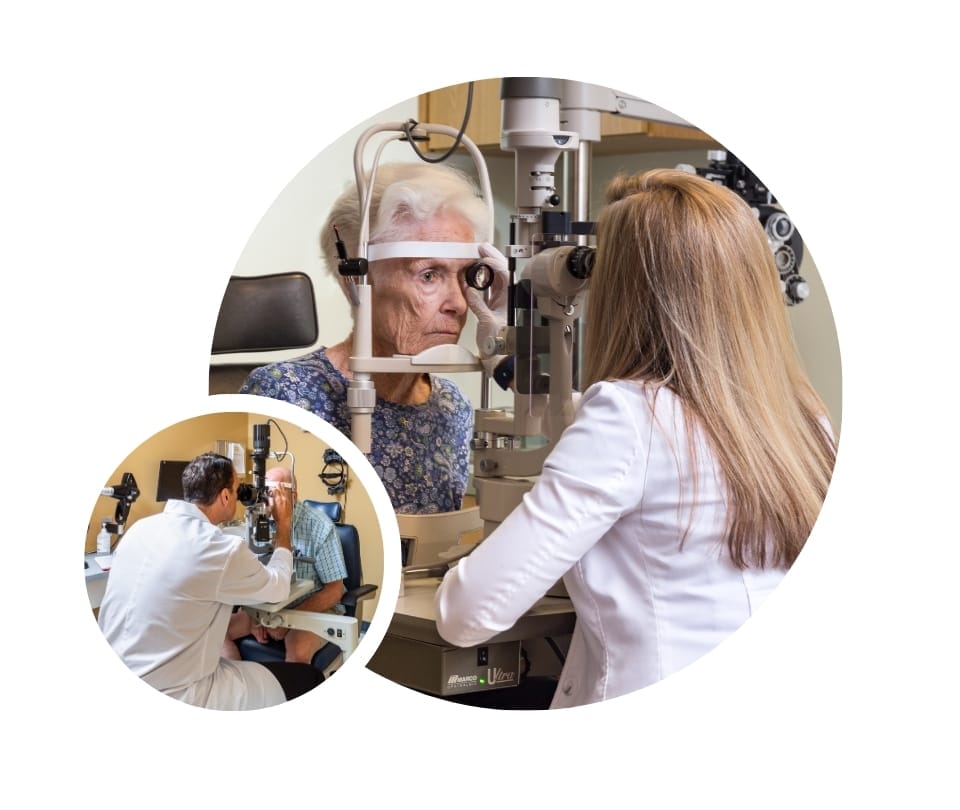
During an eye exam, our doctors will examine your eyelids, tear film, and the surface of your eyes for signs of dryness or inflammation. This helps assess the severity of the condition and identify areas requiring attention.
We perform simple, non-invasive tests to measure your tear production, including:
We use special dyes to detect any damage on the surface of your eye. These dyes highlight any irregularities, helping us assess the extent of dry eye damage and monitor your progress over time.
Our doctors examine the meibomian glands to check for blockages. We may gently press on your eyelids to see if oil is being released, indicating whether or not the glands are functioning properly.
In complex cases, we may use advanced imaging techniques to examine the tear and oil glands more closely. We might also conduct blood tests to check for autoimmune conditions if suspected.
There are various treatment options for dry eye, and the right approach depends on the underlying cause and severity of the condition. Our doctors will guide you in choosing the most appropriate treatments.
Over-the-counter artificial tears are often the first line of defense. These drops provide immediate moisture and relieve dryness and discomfort. Our doctors can recommend the right type for your specific symptoms, including preservative-free options for frequent use.
If over-the-counter drops are insufficient, prescription drops may be recommended, such as:
For patients with blocked meibomian glands, treatments may include:
Making small adjustments to your routine can significantly improve symptoms:
Maintaining clean eyelids helps improve gland function and reduce irritation. Warm compresses and gentle eyelid massages can help clear blocked glands. We can teach you how to safely clean your eyelids at home.
For more severe cases of dry eye, we may recommend advanced treatments such as:
Incorporating simple daily habits can help protect your eyes and prevent dry eye symptoms from worsening.
Simple adjustments to how you use digital devices can reduce strain and dryness:
Creating an eye-friendly environment at home or work can help reduce dryness:
Eating a diet rich in omega-3 fatty acids can help improve tear quality. Foods like fish, flaxseed, and walnuts are great sources of omega-3s. Staying hydrated and getting adequate sleep also promotes better tear production throughout the day.
If you wear contact lenses, proper care is essential for comfort. Consider daily disposable lenses or reduce wearing time during flare-ups. Rewetting drops designed for contact lens wearers can also help.
Maintaining clean eyelids is crucial for preventing dry eye:
While dry eye can generally be managed with treatment, neglecting it can lead to serious complications. Recognizing these risks ensures that treatment is sought promptly to avoid long-term problems.
If left untreated, chronic dry eye can cause inflammation and damage to the eye surface. This can lead to sores, increased sensitivity to light, and difficulty keeping your eyes open comfortably.
Untreated dry eye can significantly affect daily activities. It can become difficult to read, work on a computer, or drive, especially at night. People often find that productivity at work is impacted, and overall quality of life suffers without proper treatment.
Severe dry eye can occasionally lead to temporary or permanent vision issues if left untreated. The eye surface may become scarred, affecting vision. However, with early treatment, most people can maintain good vision.
In rare instances, untreated dry eye can lead to corneal ulcers, infections, or scarring. These complications can result in permanent vision loss if not addressed quickly. Regular follow-up care helps detect and treat any issues early.
When the eyes are dry, they are more susceptible to infections. Tears are essential for flushing away debris and germs, and without proper lubrication, the risk of bacterial or viral infections increases. Individuals with severe dry eye must be cautious about eye hygiene and contact lens care to avoid infections.
If you experience persistent dry eye symptoms, it’s important to seek care from an eye doctor to prevent further complications. Early treatment is essential for effective management and symptom relief.
If you experience any of the following symptoms, seek immediate medical attention:
If your symptoms persist despite using artificial tears regularly, it may be time to see an ophthalmologist for a more thorough evaluation. Conditions like redness, burning, or vision problems that interfere with daily activities should be addressed professionally.
Dry eye is often a chronic condition, and regular check-ups help monitor symptoms and adjust treatment as necessary. Life changes, medications, or seasonal variations can affect symptoms, so consistent follow-up care ensures long-term relief.
Don’t wait for dry eye to significantly impact your life. If symptoms occur frequently or over-the-counter treatments are no longer effective, schedule an evaluation with your doctor.
Dry eye disease occurs when the eyes cannot produce enough tears or when the tears do not function properly, leading to discomfort and potential vision issues. It affects the tear film, the moisture layer that protects the eyes.
Yes, this is a common occurrence. When the eyes are dry and irritated, they often compensate by producing more tears. However, these tears are of poor quality and do not provide lasting relief from dryness.
While dry eye is generally chronic, it is treatable with ongoing management. The condition may be temporary in certain cases, such as due to medication or environmental factors, but most cases require long-term care.
Without treatment, dry eye can worsen. However, with proper care, most people can manage their symptoms and prevent significant deterioration. Treatment should begin early to avoid complications.
Punctal plugs are a safe and effective treatment for many dry eye patients. These small devices are placed in the tear ducts to block drainage, helping retain moisture on the eye’s surface. Most individuals experience significant relief.
Some treatments, like artificial tears, provide immediate relief. Prescription treatments may take several weeks to show their full effect. Your doctor will monitor your progress and adjust your treatment plan accordingly.
Yes, children can experience dry eye, though it is less common than in adults. Prolonged screen time, allergies, or certain medical conditions can make children more susceptible to dry eye symptoms.
Foods rich in omega-3 fatty acids, such as fish, flaxseed, and walnuts, can help improve tear quality. Staying hydrated and maintaining a balanced diet also support healthy tear production.
Yes, but it’s important to choose hypoallergenic, fragrance-free makeup products. Avoid applying makeup to the inner rim of the eyelids and make sure to thoroughly remove all makeup before bed to prevent irritation.
Preservative-free artificial tears are safe for daily use, even several times a day. If you use drops frequently, opt for preservative-free varieties to avoid irritation or potential side effects.
In rare cases, untreated dry eye can lead to permanent vision damage, such as corneal scarring. However, with early and ongoing treatment, most people can avoid serious complications.
Dry eye symptoms often worsen in the evening due to prolonged exposure to environmental factors or digital screens. Morning symptoms may stem from poor eyelid closure or debris buildup overnight.
Yes, hormonal fluctuations, particularly during menopause or with the use of birth control, can affect tear production, making women more prone to dry eye symptoms.
Not necessarily, but it’s important to make adjustments to your contact lens routine. Daily disposable lenses, reduced wearing time, and regular breaks can help alleviate discomfort.
Some surgeries, like LASIK, may temporarily worsen dry eye. However, the condition usually improves with time. If you experience significant dry eye before surgery, your doctor may recommend treatment to address it first.
Yes, several home remedies can be effective for managing dry eye. Warm compresses, humidifiers, and the 20-20-20 rule can all help alleviate symptoms. However, these remedies are most effective when combined with medical treatments.
Our expert ophthalmologists at ReFocus Eye Health Branford provide comprehensive dry eye evaluations and personalized treatments for patients throughout East Haven, North Haven, New Haven, and the surrounding areas. Schedule an appointment to take the first step toward managing your dry eye symptoms.